Bawumia engages small-scale miners on reforms to promote responsible mining
Written by; Regina Bless
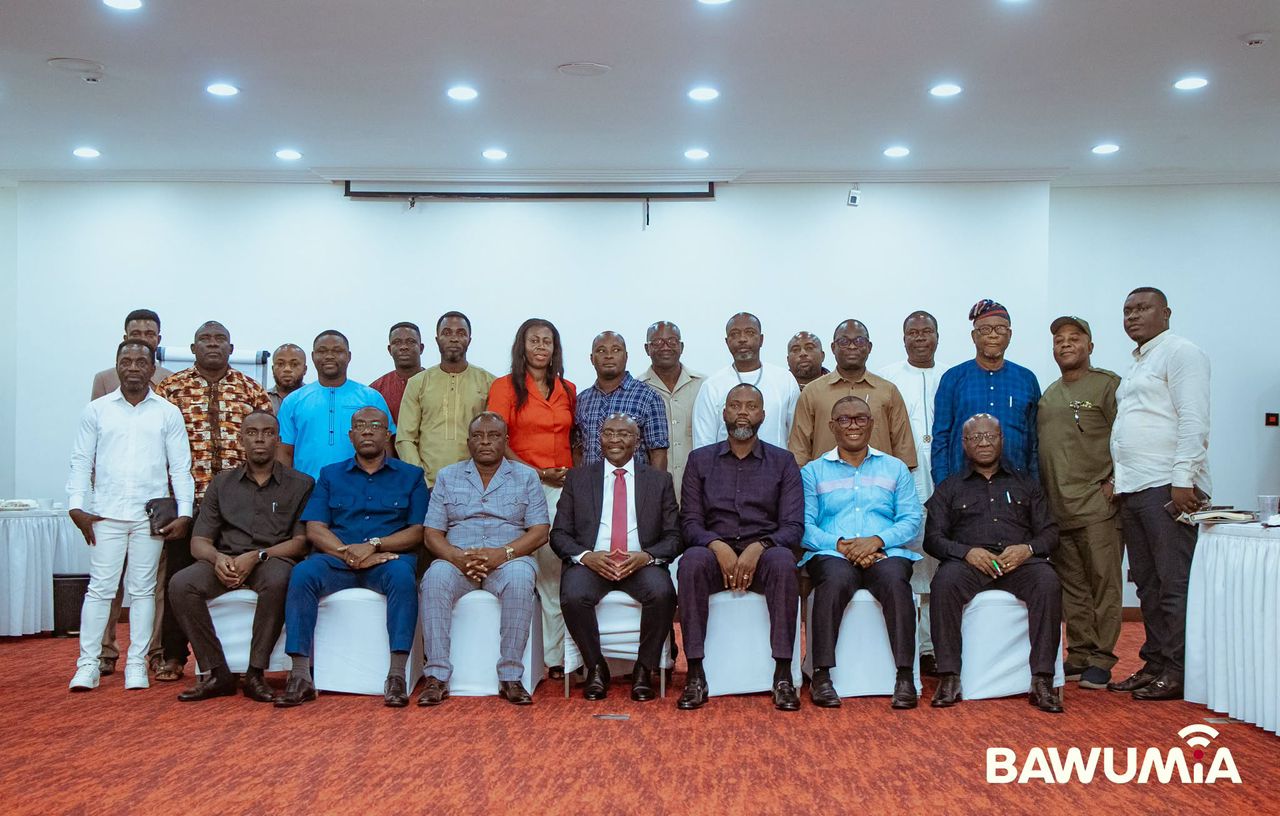
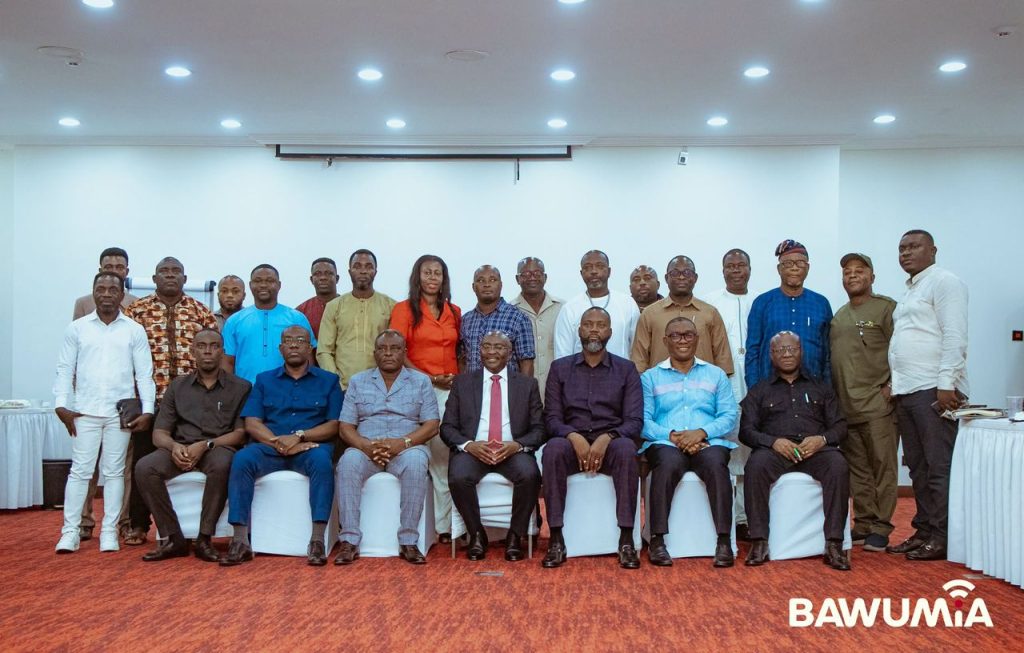
Dr. Mahamudu Bawumia has engaged the Ghana National Association of Small-Scale Miners as part of ongoing consultations with key stakeholders on the challenges confronting Ghana’s small-scale mining sector.
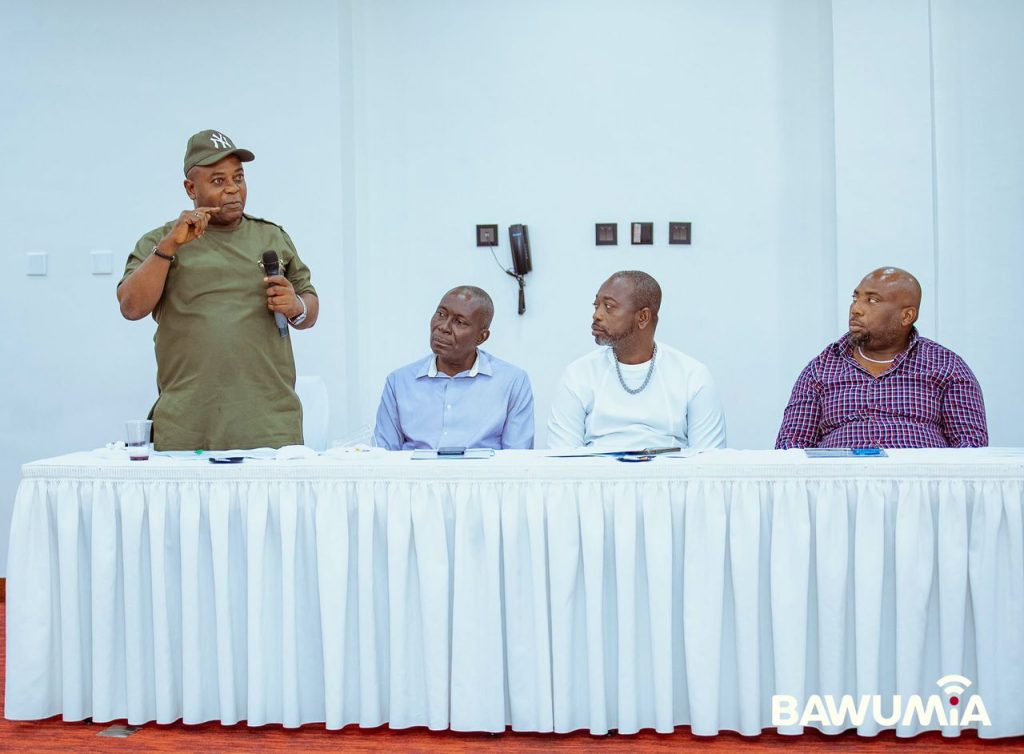
The engagement forms part of efforts to gather practical views from industry players and identify reforms that can make small-scale mining more responsible, environmentally sustainable and beneficial to local communities.
Small-scale mining remains an important source of employment and income for thousands of Ghanaians. However, the sector continues to face serious challenges, including illegal mining, environmental degradation, water pollution, inadequate regulation and difficulties accessing the resources and technology needed for responsible operations.
The consultation with miners provides an opportunity for stakeholders to discuss these concerns directly and explore solutions that balance economic opportunities with environmental protection.
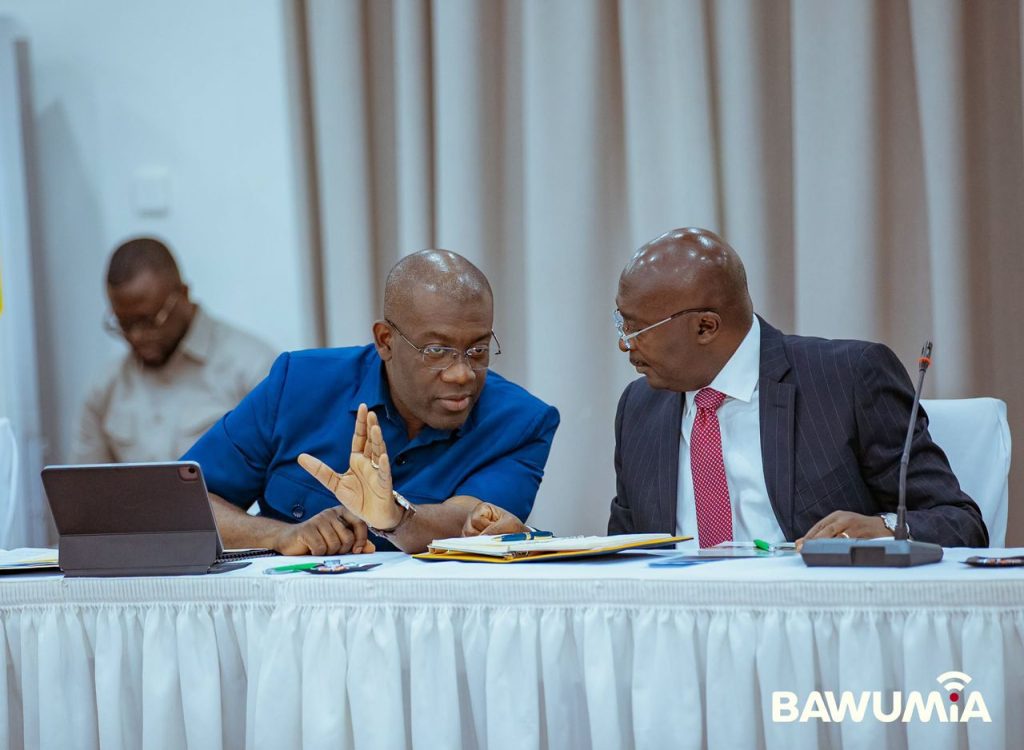
A major focus is expected to be the promotion of responsible mining practices. This includes strengthening regulatory enforcement, improving monitoring, encouraging environmentally friendly mining methods and ensuring that mining activities do not permanently damage farmland, forests and water bodies.
Job creation is another important consideration. Rather than treating small-scale mining solely as an environmental problem, stakeholders argue that reforms should also recognise its contribution to livelihoods and create a framework where miners can operate legally and productively.
The discussions also highlight the importance of local value addition. Ghana has significant mineral resources, but greater economic benefits could be achieved if more processing and related activities take place locally, creating additional jobs and opportunities for Ghanaian businesses.
For reforms to succeed, however, miners themselves must be part of the process. Consultation can help policymakers understand the practical difficulties faced by operators and design policies that are realistic, enforceable and capable of gaining cooperation from those working within the sector.
The engagement with the Ghana National Association of Small-Scale Miners therefore represents an important step toward finding a sustainable balance between mining and environmental protection.
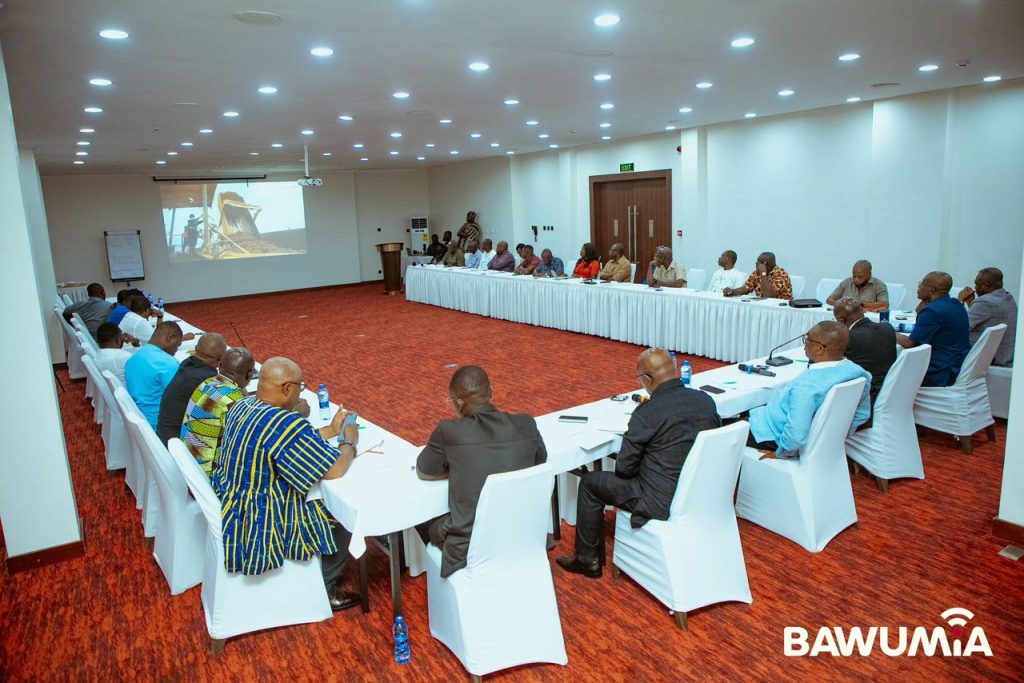
The bigger question is whether Ghana can move beyond periodic crackdowns and develop a long-term system in which small-scale mining creates jobs and wealth while protecting the country’s rivers, forests and agricultural land.
Ultimately, successful reform will require strong institutions, consistent enforcement, responsible miners and meaningful participation from local communities. If these elements come together, Ghana’s small-scale mining sector could become a stronger contributor to economic development without sacrificing the environment for future generations.