Stakeholders review Ghana’s National Nutrition Policy
Written by; Regina Bless
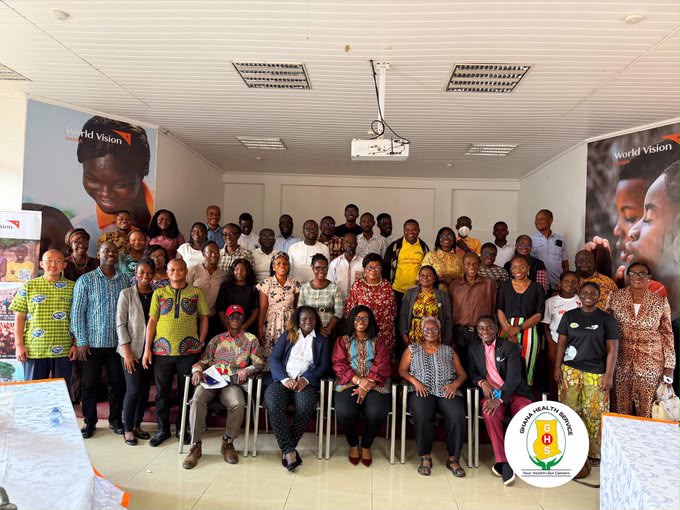
The Ghana Health Service (GHS), in collaboration with World Vision Ghana, UNICEF and the Civil Society Organizations Sub-Platform on Sustainable Development Goal 3, has brought together key stakeholders to support the ongoing review of Ghana’s National Nutrition Policy.
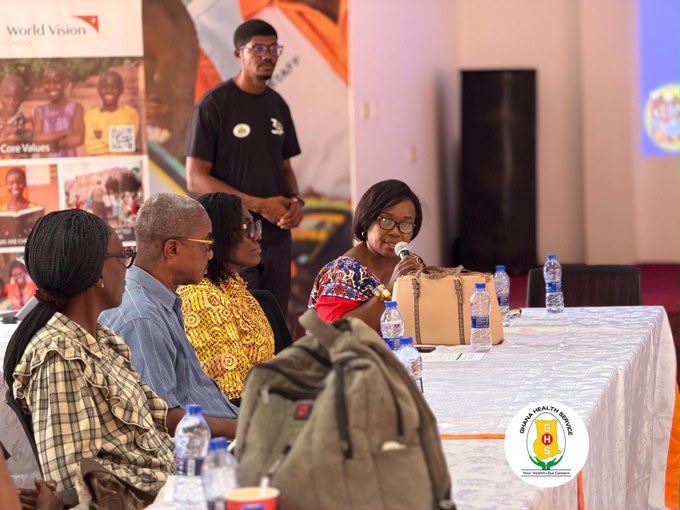
The consultative meeting brought together representatives from civil society organizations, government institutions, development partners, academia and policymakers to assess the implementation of the existing policy, identify gaps and emerging nutrition challenges, and propose recommendations for a revised policy.
The engagement also sought to strengthen collaboration among stakeholders and develop a shared civil society agenda to accelerate Ghana’s progress towards SDG 2, Zero Hunger, and SDG 3, Good Health and Well-being.
Speaking on behalf of the Director of the Family Health Division of the Ghana Health Service, Deputy Director of the Nutrition Department, Mrs. Olivia Timpo, emphasized the important role civil society organizations play in improving nutrition outcomes across the country.
She commended CSOs for their longstanding support and called for continued commitment to nutrition interventions, particularly at the community level.
Mrs. Timpo identified several areas requiring increased investment and collaboration, including the community-based management of acute malnutrition, training and capacity building for health professionals, promotion of healthy and diversified diets, food fortification, school nutrition, micronutrient supplementation, maternal nutrition and increased domestic financing for nutrition programmes.
She noted that while Ghana has made progress in managing acute malnutrition within communities, gaps remain in the capacity of health workers to effectively manage severe cases requiring inpatient treatment. She therefore appealed to development partners and civil society organizations to support training and capacity-building programmes.
The Deputy Director also raised concerns about unhealthy dietary patterns, particularly among women and children. She pointed to the increasing consumption of highly processed foods and sugar-sweetened beverages, stressing the need to encourage families to embrace nutritious local foods and healthier eating habits.
On food fortification, Mrs. Timpo called for renewed investment in monitoring and supervision, improved educational materials and stronger collaboration with regulatory agencies to ensure compliance with established standards.
She further stressed the importance of strengthening school nutrition programmes by creating healthier food environments, providing nutrition education, supporting school gardens and encouraging children to make healthier food choices.
According to her, developing healthy eating habits from an early age will be critical to preventing malnutrition and addressing the rising burden of nutrition-related diseases.
Giving an update on the policy review, Mrs. Timpo explained that the process will be carried out in phases, beginning with an evaluation of the existing policy and stakeholder consultations, followed by drafting of the revised policy, development of a costed implementation strategy, validation and eventual government approval.
She said recommendations from the consultation would contribute to the work of the consultant conducting the policy evaluation and help shape a comprehensive, evidence-based nutrition policy for Ghana.
Representing World Vision Ghana at the closing session, Madam Awurabena Dadzie thanked participants for their contributions and encouraged stakeholders to continue providing research findings, technical expertise and field experiences to strengthen the review process.
She reaffirmed World Vision Ghana’s commitment to working with the Ghana Health Service and other partners to advance nutrition interventions across the country.
Madam Dadzie described the policy review as an important opportunity for civil society organizations to contribute to the development of a responsive national framework capable of addressing Ghana’s current and emerging nutrition challenges.
The meeting ended with a renewed commitment among stakeholders to strengthen collaboration, advocacy and financing for nutrition, with the ultimate goal of improving the health and nutritional well-being of Ghanaians and accelerating progress towards SDGs 2 and 3.