
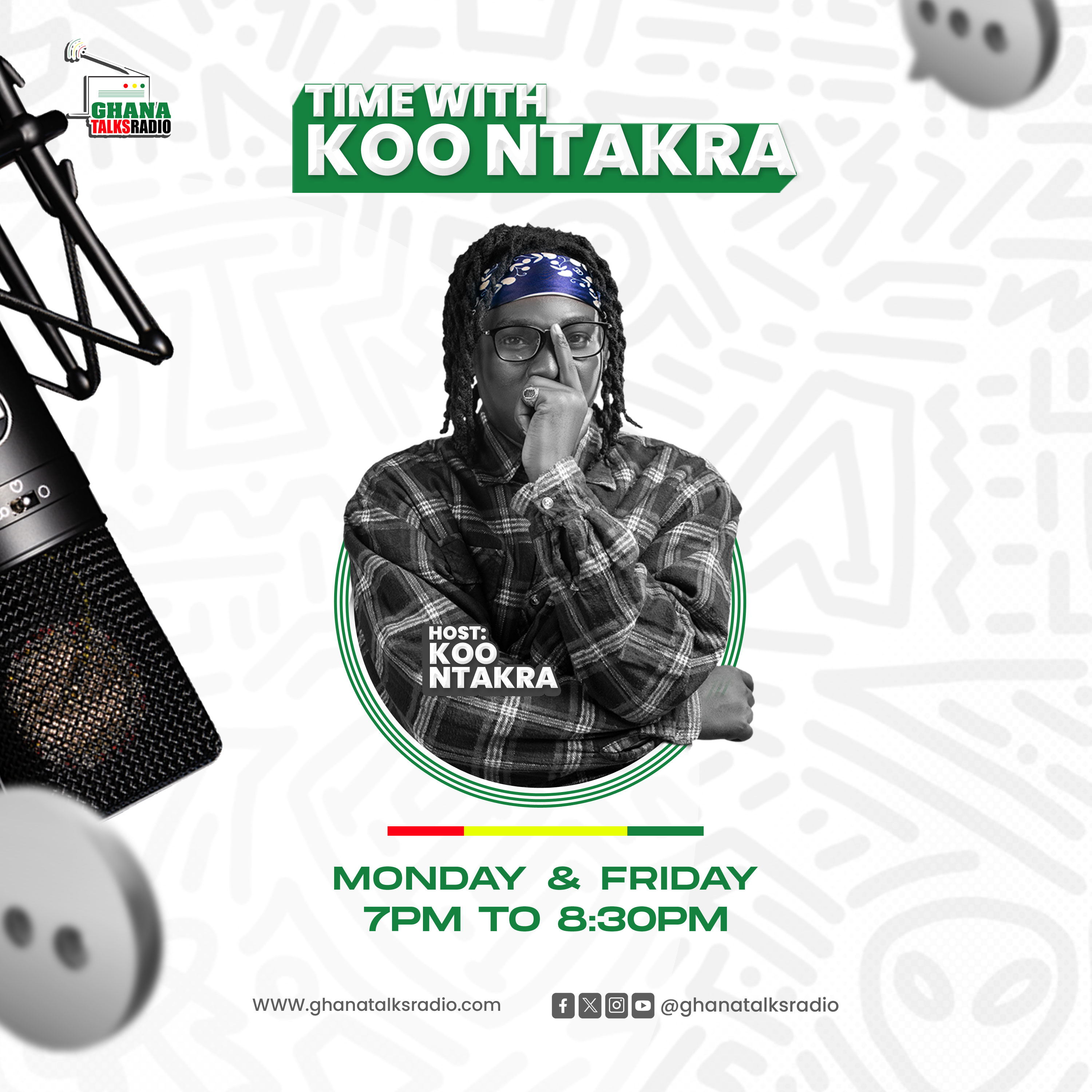
About this episode
Description: As we started previously, today we continue with the element of rap. Rap music, also known as hip-hop music, is a genre characterized by rhythmic spoken word (rapping) performed over a beat. It's a complex art form with several key elements that contribute to its distinctive sound and impact. Here's a breakdown of those elements: 1. Content (Lyrics): • Subject Matter: Rap lyrics can cover a wide range of topics, including: • Personal Experiences: Reflecting on the rapper's life, struggles, and triumphs. • Social Commentary: Addressing social and political issues, such as poverty, inequality, and injustice. • Storytelling: Narrating fictional or real-life stories. • Braggadocio: Boasting about the rapper's skills, wealth, and status. • Relationships: Exploring themes of love, loss, and heartbreak. • Party Anthems: Creating upbeat and energetic songs for dancing and celebration. • Wordplay: Skillful use of language, including: • Puns: Using words with multiple meanings for humorous or clever effect. • Metaphors and Similes: Comparing one thing to another to create vivid imagery. • Alliteration and Assonance: Repeating sounds for emphasis and rhythm. • Internal Rhyme: Rhyming words within the same line. • Multisyllabic Rhyme: Rhyming words with multiple syllables. • Flow: The rhythm and cadence of the rapper's delivery. • Authenticity: The perceived genuineness and credibility of the rapper's message. 2. Flow (Delivery): • Cadence: The rhythmic pattern of the rapper's voice. • Rhythm: The way the rapper's words align with the beat. • Emphasis: How the rapper stresses certain words or syllables. • Pace: The speed at which the rapper delivers the lyrics. • Inflection: The variation in the rapper's voice pitch. • Breathing Control: The ability to maintain a consistent flow without running out of breath. • Clarity: The ability to articulate words clearly and distinctly. • Originality: A unique and recognizable delivery style. 3. Beat (Production): • Instrumentation: The instruments used in the beat, which can include: • Drums (often sampled or programmed) • Bass (often synthesized or sampled) • Keyboards and Synthesizers • Samples (excerpts from other songs) • Live Instruments (e.g., guitars, horns) • Rhythm: The rhythmic pattern of the beat, often characterized by a strong emphasis on the 2nd and 4th beats (the "backbeat"). • Tempo: The speed of the beat, measured in beats per minute (BPM). • Melody: The melodic elements of the beat, which can be created using samples, synthesizers, or live instruments. • Harmony: The chord progressions and harmonies used in the beat. • Sound Design: The overall sonic texture and atmosphere of the beat, which can be created using effects, filters, and other production techniques. • Mixing and Mastering: The process of balancing and optimizing the sound of the beat to create a professional-sounding recording. 4. DJing (Turntablism): • Scratching: Manipulating records on a turntable to create percussive or rhythmic sounds. • Beatmatching: Aligning the tempos of two different records to create seamless transitions. • Mixing: Blending two or more records together to create a continuous flow of music. • Sampling: Using excerpts from other songs to create new beats or sounds. • Cutting: Quickly switching between two different records to create a staccato effect. 5. Sampling: • Source Material: Excerpts of existing recordings (music, spoken word, sound effects) used to create new beats. • Chopping and Looping: Techniques to manipulate samples. • Creative Recontextualization: Transforming old sounds into something new and original. • Copyright Issues: The use of samples can raise copyright issues, requiring clearance from the original copyright holders. 6. Delivery & Performance: • Stage Presence: The artist's charisma and energy on stage. • Crowd Interaction: Engaging with the audience and creating a connection. • Vocal Projection: The ability to project the voice effectively in a live setting. • Breath Control: Maintaining a consistent flow while performing live. • Showmanship: The ability to entertain and captivate the audience with visual elements, such as dancing, costumes, and stage design. 7. Production Techniques: • Looping: Repeating a section of a song or beat to create a continuous rhythm. • Layering: Combining multiple sounds or instruments to create a richer texture. • EQing: Adjusting the frequencies of different sounds to create a balanced mix. • Compression: Reducing the dynamic range of a sound to make it louder and more consistent. • Effects: Using effects such as reverb, delay, and chorus to add depth and character to the sound. In summary, rap is a complex and multifaceted art form that combines lyrical skill, rhythmic delivery, innovative production techniques, and a strong sense of cultural identity. Each of these elements contributes to the overall impact and appeal of rap music.
Listen on
