
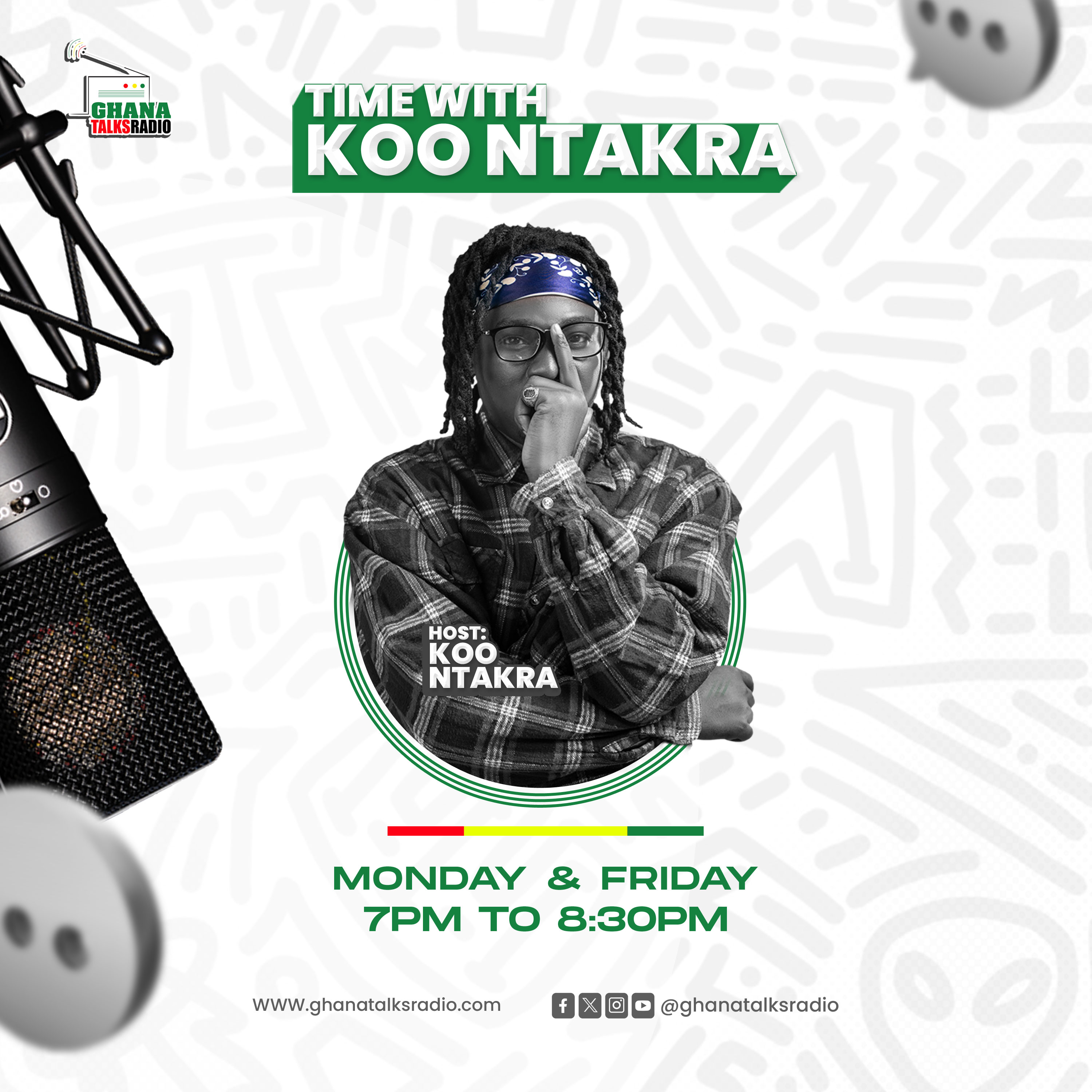
About this episode
The relationship between technology and music is a colorful tapestry of innovation, creativity, and transformation. Technology has acted as a catalyst, shaping and redefining the landscape of music in numerous ways. Let's explore some of the key areas where technology has left its mark on the world of music: Music Production and Recording: - Digital Audio Workstations (DAWs): DAWs have revolutionized music production, offering powerful tools for recording, editing, and mixing audio. Software like Pro Tools, Logic Pro, and Ableton Live has democratized music production, allowing artists to create professional-quality music from the comfort of their own homes. - Sampling and Synthesis: Advancements in sampling and synthesis technology have expanded the sonic palette available to musicians, enabling them to create entirely new sounds and textures through digital manipulation. Distribution and Consumption: - Streaming Platforms: The rise of streaming platforms such as Spotify, Apple Music, and YouTube has transformed the way music is distributed and consumed. These platforms have made music more accessible and have reshaped the dynamics of the music industry. - Digital Downloads: The shift from physical media to digital downloads, and subsequently to streaming, has fundamentally altered the way music is bought and sold, democratizing access while posing new challenges for artists and the industry. Live Performances and Effects: - Digital Instruments and Effects: The advent of digital instruments and effects has opened up new frontiers in live performances, allowing musicians to explore a plethora of sounds and textures in real time. From digital synthesizers to virtual effects processors, artists now have an array of tools at their disposal for creating captivating live experiences. - Visual Enhancements: Technology has also given rise to mesmerizing visual enhancements during live performances, with the - Social Media and Fan Interaction: Artists can connect with their fans in meaningful ways through social media, live streaming, and interactive content, fostering a closer relationship between musicians and their audience. While these advancements have opened doors to new possibilities, they also raise pertinent questions about the evolving nature of music creation, ownership, and the economic
Listen on
